Practical resources on SEO, AI, Amazon, social media, YouTube, growth and digital marketing.

Oct 7, 2026
Learn how to analyze server access logs for SEO, identify crawl waste, find crawler errors, and turn real crawl behavior into practical technical SEO improvements.
Read article →
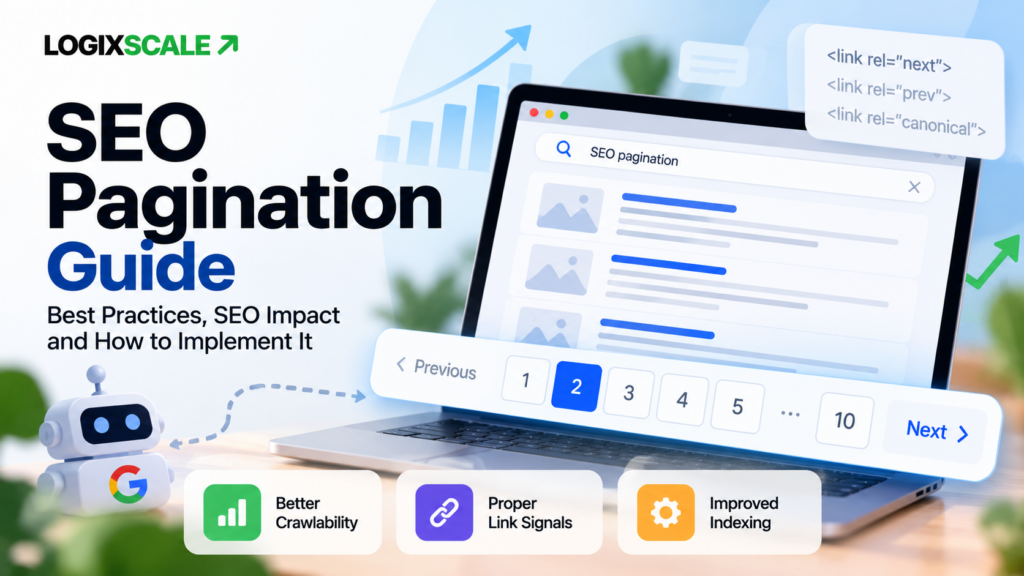
Oct 6, 2026
Learn how to build SEO-friendly pagination with crawlable URLs, internal links, and accurate canonical signals without creating unnecessary indexation problems.
Read article →
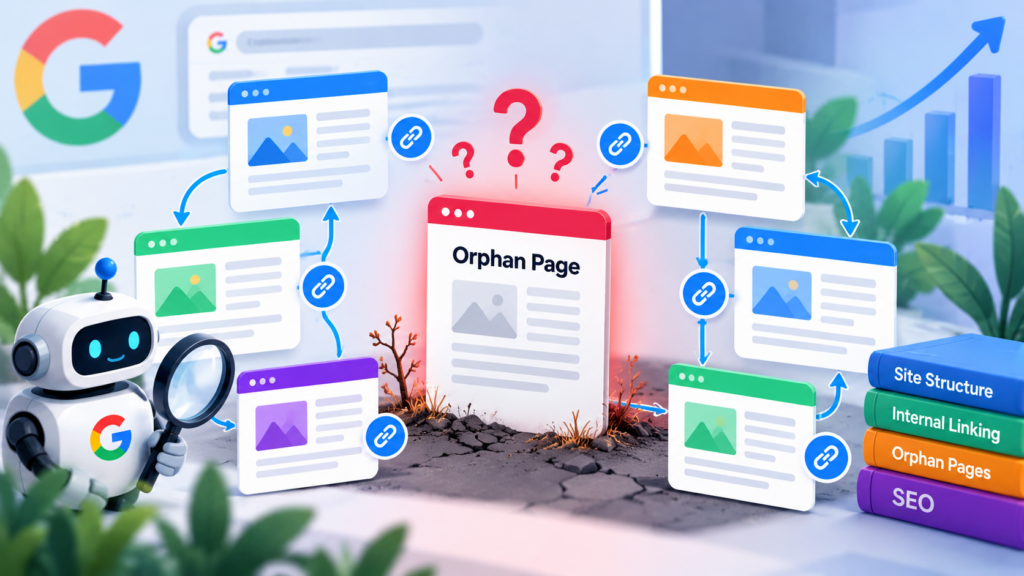
Oct 5, 2026
Learn what orphan pages are, why they matter for SEO, how to find them with an internal-link audit, and how to reconnect valuable pages to your site architecture.
Read article →

Oct 3, 2026
A practical guide to image SEO covering filenames, alt text, responsive images, crawlability, structured data, preferred images, lazy loading, compression, and image sitemaps.
Read article →
Sep 30, 2026
Learn how to design useful breadcrumb navigation, connect it to site architecture, and implement BreadcrumbList structured data without treating breadcrumbs as a ranking shortcut.
Read article →

Sep 29, 2026
What we found when comparing robots meta directives with X-Robots-Tag during a live WordPress technical SEO audit, including how to verify each signal.
Read article →
Sep 29, 2026
Why Apache mod_headers matters when a WordPress site needs to send an X-Robots-Tag, and how we verified the server-side header path during a technical SEO audit.
Read article →
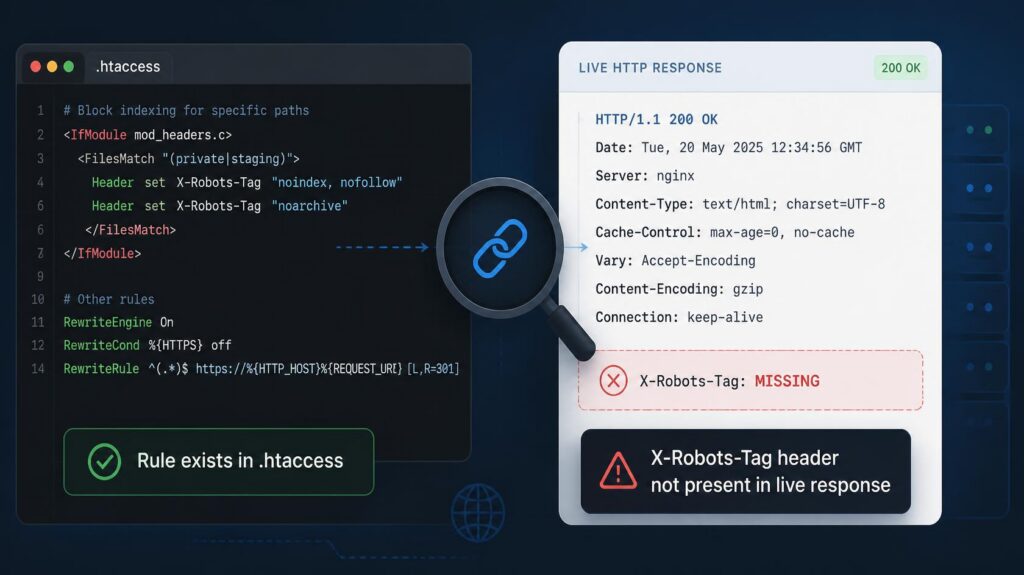
Sep 29, 2026
A live WordPress technical SEO investigation into a missing X-Robots-Tag: how we traced the problem from .htaccess through Apache header processing to the final HTTP response.
Read article →
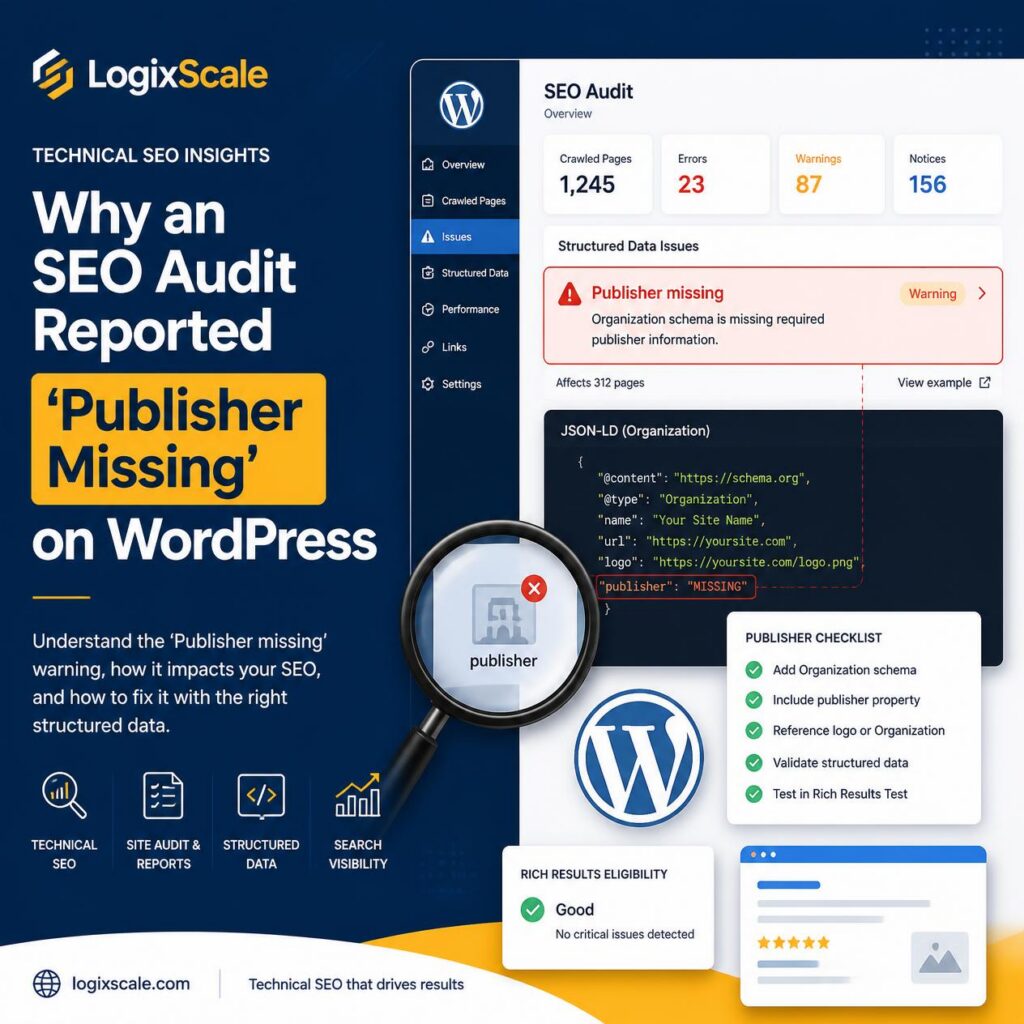
Sep 29, 2026
Why can a WordPress SEO audit report “Publisher Missing” when an author is clearly shown on the page? We break down the structured-data investigation, root causes, fixes, and live verification workflow.
Read article →
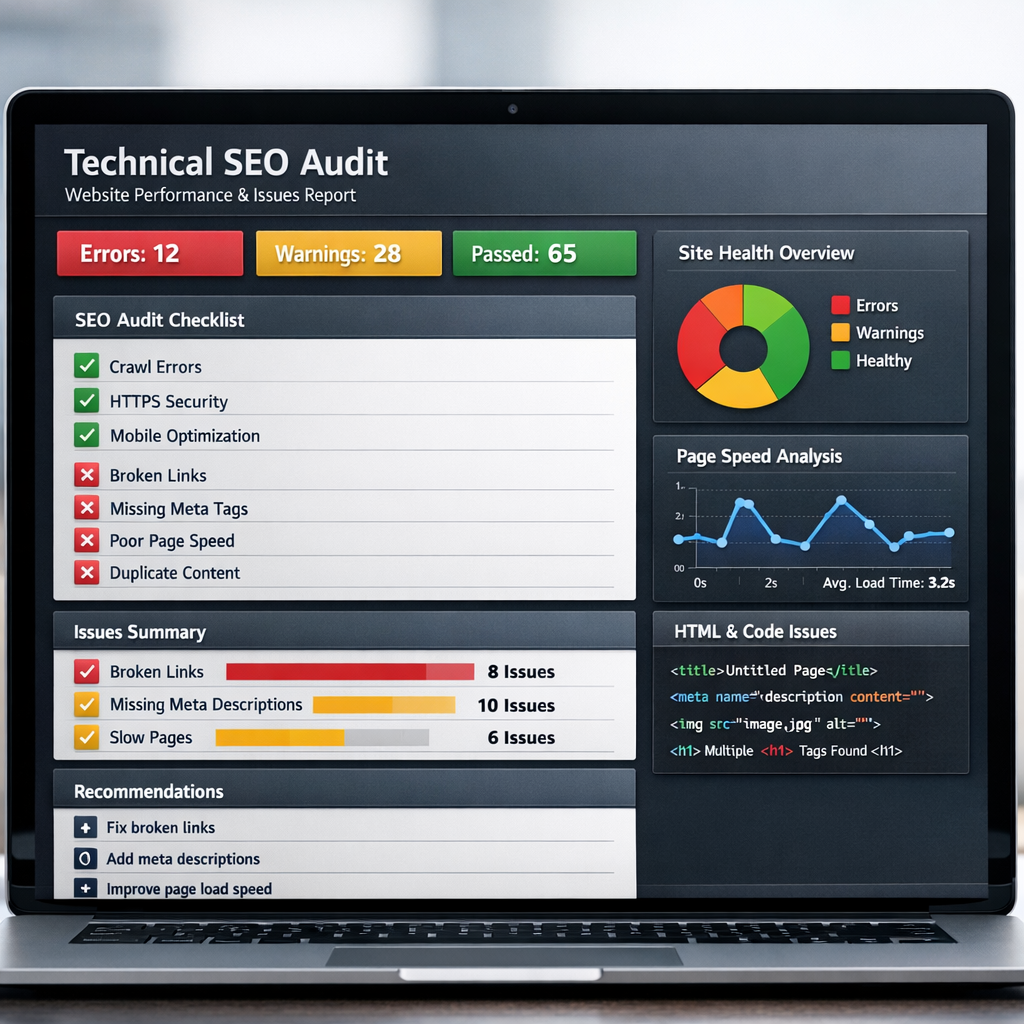
Sep 29, 2026
A real-world WordPress SEO audit of 80 published pages covering titles, meta descriptions, canonicals, robots, Open Graph, publisher identity, and final URL QA.
Read article →